
A colonoscopy is one of the most effective tools in medicine for preventing and catching colorectal cancer early, yet it's also one of the most put-off procedures, usually because of uncertainty about what actually happens. The reality is far more routine than most patients expect. This guide walks through the process stage by stage — what happens before, during, and after — so you know exactly what you're walking into.
Why Would You Need a Colonoscopy?
Colonoscopies are recommended for two broad reasons: screening and investigation. Screening colonoscopies are done on a schedule — typically starting around age 45 to 50 for average-risk patients, or earlier with a family history of colorectal cancer — to catch polyps or early cancers before they cause symptoms. Investigational colonoscopies are done when something needs explaining: rectal bleeding, a persistent change in bowel habits, unexplained abdominal pain, iron-deficiency anemia, or an abnormal result on a stool-based screening test. Either way, the procedure itself is identical.
Before the Procedure: Bowel Preparation
The single most important factor in a good-quality colonoscopy is a clean colon, which is why your doctor will give you a bowel preparation ("prep") to follow in the day or two beforehand. This typically involves a clear liquid diet and a prescribed laxative solution taken on a specific schedule, designed to clear the colon completely so nothing is missed during the exam. It's genuinely the least pleasant part of the whole process for most patients — but a thorough prep means a more accurate exam and a lower chance of needing to repeat it sooner than planned, so it's worth following exactly as instructed.
Step 1: Arrival and Sedation
On the day of the procedure, you'll check in, change into a gown, and a nurse will place an IV line. Most colonoscopies in Pakistan are done under sedation (sometimes called "twilight sedation" or monitored anesthesia care), which keeps you comfortable and largely unaware of the procedure without the full recovery time of general anesthesia. Your vital signs are monitored throughout. Because of the sedation, you'll need someone to drive you home afterward — this is arranged in advance, not something to figure out on the day.
Step 2: The Procedure Itself
Once sedated, you'll be positioned on your side, and the doctor passes a thin, flexible, lighted tube called a colonoscope through the anus and gently advances it through the entire length of the colon. A small camera at the tip sends live images to a screen, allowing the doctor to examine the lining carefully as the scope is withdrawn. Air or carbon dioxide is used to gently inflate the colon for a clearer view, which is why mild bloating afterward is normal. If polyps are found, they're usually removed right there during the same procedure using tiny instruments passed through the scope — a separate operation is rarely needed. The exam itself typically takes 20 to 40 minutes.
Step 3: Recovery and Going Home
After the procedure, you'll rest in a recovery area until the sedation wears off enough to be discharged safely, usually 30 to 60 minutes. Mild bloating, cramping, or gas is common as the air used during the exam works its way out — this settles within a few hours. Most patients can eat normally again that day, starting with something light, and are advised to rest for the remainder of the day rather than returning straight to work or driving.
Getting Your Results
If nothing concerning was found, you'll usually hear that directly after the procedure once you're alert enough to process it, along with a recommendation for when your next screening colonoscopy should be. If polyps were removed or biopsies taken, those samples are sent to a lab, and results typically take about a week to come back — your doctor will discuss the findings and any follow-up plan at that point. Most polyps are benign, and their removal during the colonoscopy is itself a preventive step, not a sign that something has already gone wrong.
Dr. Asad's Approach
The anxiety patients bring to their first colonoscopy is almost always disproportionate to the actual experience, and I think that's because the procedure gets talked about far more than it gets explained. I spend time walking patients through exactly what will happen, step by step, before the day itself — not to minimize it, but because a patient who knows what's coming tolerates the whole process better, prep included. A colonoscopy that finds nothing is still a success; it's the reassurance, not just the diagnosis, that's the point of the exam.
Frequently Asked Questions
Is a colonoscopy painful?
Most patients are sedated for the procedure and remember little to nothing of it. Some report mild bloating or cramping afterward from the air used to inflate the colon during the exam, which usually settles within a few hours as it's passed naturally. Genuine pain during a well-sedated colonoscopy is uncommon.
How long does the actual procedure take?
The colonoscopy itself typically takes 20 to 40 minutes, depending on what's found and whether any polyps need removing along the way. Including arrival, sedation, and recovery time before discharge, patients should plan for roughly two to three hours at the facility in total.
Can I drive myself home afterward?
No. Because sedation affects judgment and reaction time for several hours, you'll need someone to drive you home and ideally stay with you for the rest of the day. Facilities will typically ask you to confirm you have a ride arranged before the procedure even begins.
What happens if the doctor finds a polyp?
Most polyps found during a colonoscopy are removed during the same procedure using instruments passed through the colonoscope, so a separate operation usually isn't needed. The removed tissue is sent for lab analysis, and your doctor will discuss the results and any recommended follow-up timeline at your next visit.
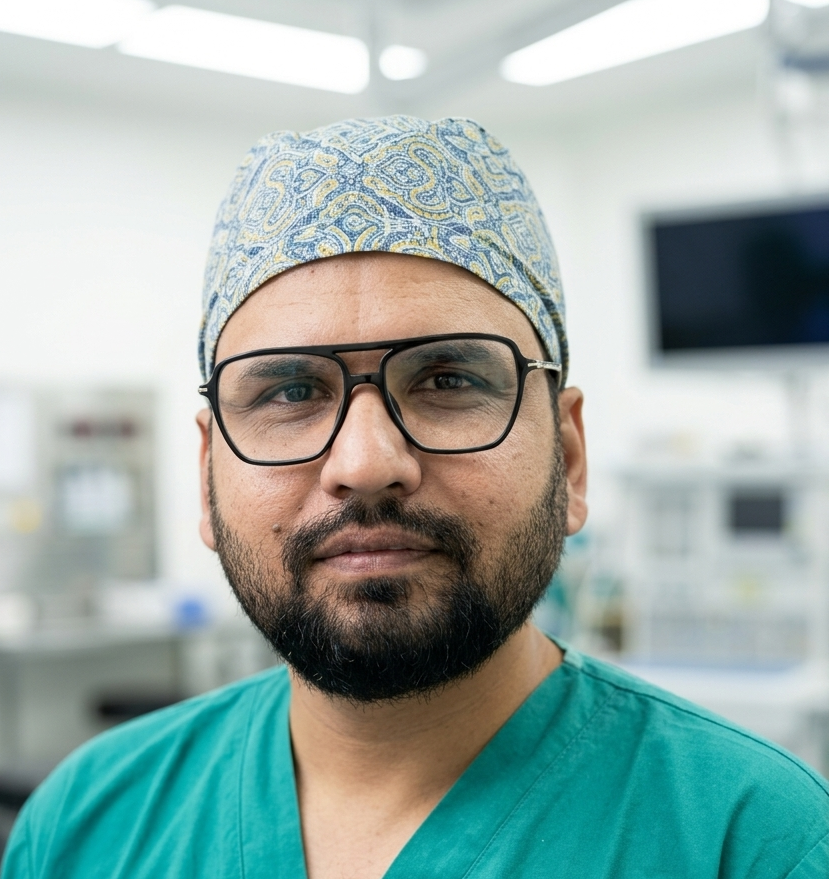
Medically Reviewed by Dr. Muhammad Asad
MBBS · FCPS · CPHQ (USA) · MACHE (USA) — Colorectal & Laparoscopic Surgeon, Associate Professor, 14+ years of surgical experience. About Dr. Asad →
This article is for general patient education and does not replace a professional medical evaluation. If you're due for a colonoscopy or have symptoms that need investigating, please consult Dr. Asad to discuss what's right for your situation.