
These two terms get mixed up constantly, which is understandable — the procedures are similar in technique but look at completely different parts of the digestive system.
The Core Difference: Which End, and Which Organs
Both procedures use a thin, flexible tube with a camera to directly visualize the inside of the digestive tract — but they examine different territory:
- Endoscopy (upper endoscopy / gastroscopy) is passed through the mouth to examine the esophagus, stomach, and the first part of the small intestine.
- Colonoscopy is passed through the rectum to examine the entire colon (large intestine) and, often, the very end of the small intestine.
Despite the similar-sounding names and similar equipment, they investigate entirely separate symptoms and conditions.
When Endoscopy Is Used
- Persistent heartburn or acid reflux
- Difficulty or pain swallowing
- Unexplained upper abdominal pain
- Suspected ulcers or upper digestive tract bleeding
When Colonoscopy Is Used
- Rectal bleeding or blood in the stool
- Routine colorectal cancer screening (typically starting around age 45–50)
- Persistent changes in bowel habits
- Unexplained lower abdominal pain or anemia
- Family history of colorectal cancer or polyps
Do I Need Both?
Some patients do need both tests, particularly when symptoms could originate from either the upper or lower digestive tract, or when investigating unexplained anemia where the source of blood loss isn't yet clear. Your surgeon will recommend based on your specific symptoms rather than performing both routinely.
What Both Procedures Have in Common
Both are typically performed under sedation, both allow tissue samples or polyp removal during the same procedure if needed, and both are same-day procedures with a short recovery. The preparation differs — colonoscopy requires more thorough bowel cleansing beforehand, while endoscopy generally requires only fasting.
Dr. Asad's Approach
Which test — or whether both are needed — comes down entirely to your specific symptoms and risk factors, discussed clearly during consultation. Neither procedure should feel like a mystery walking in.
Frequently Asked Questions
Is a colonoscopy more uncomfortable than an endoscopy?
Both are typically done under sedation and are well tolerated. Colonoscopy involves more preparation beforehand (bowel cleansing), while the procedure itself is generally no more uncomfortable than endoscopy.
Can one test show problems the other would have caught?
No — because they examine entirely separate parts of the digestive tract, one cannot substitute for the other if your symptoms point toward the opposite end of the system.
How do I know which test my symptoms need?
Your doctor will guide this based on your specific symptoms — upper abdominal or swallowing issues point toward endoscopy, while rectal bleeding or bowel habit changes point toward colonoscopy.
Do I need to fast before either procedure?
Yes, both require fasting beforehand, and colonoscopy additionally requires a bowel-cleansing prep the day before — your clinic will give you exact instructions.
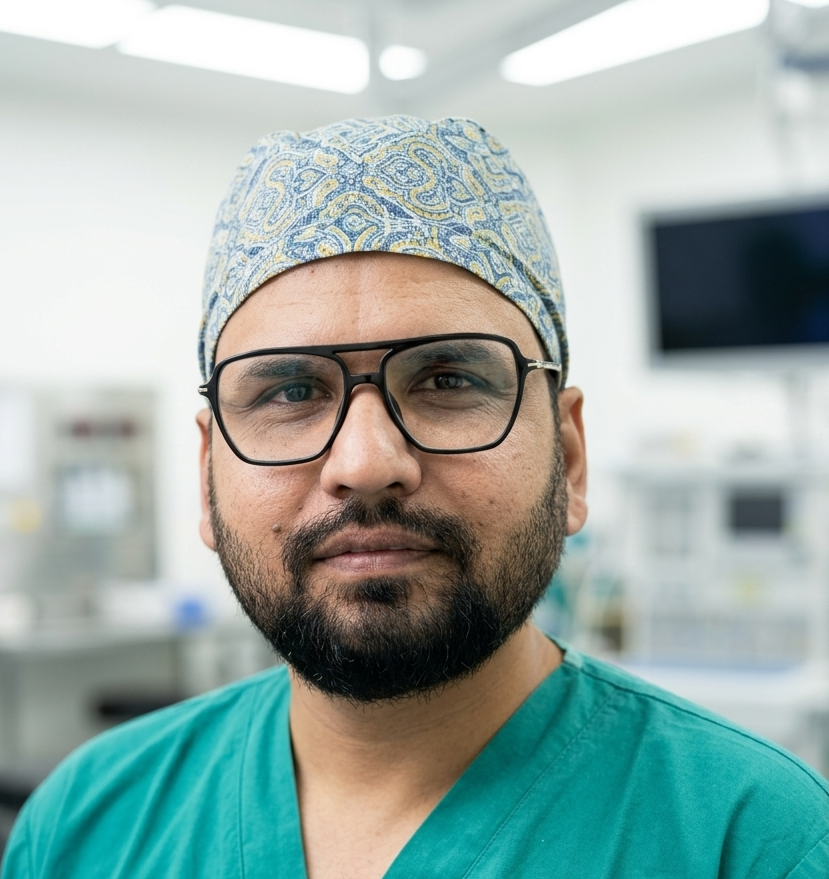
Medically Reviewed by Dr. Muhammad Asad
MBBS · FCPS · CPHQ (USA) · MACHE (USA) — Colorectal & Laparoscopic Surgeon, Associate Professor, 14+ years of surgical experience. About Dr. Asad →
This article is for general patient education and does not replace a professional medical evaluation. If you are experiencing these symptoms, please consult Dr. Asad or another qualified physician for a diagnosis specific to your situation.