
The gallbladder's job was simple: store bile made by the liver and release it in a concentrated burst when a meal, especially a fatty one, arrived in the digestive tract. Without it, the liver still makes the same bile — it just releases it continuously in a slow trickle rather than on demand. That one difference explains almost everything about how eating changes after surgery, and why those changes are usually temporary rather than permanent.
The First Few Weeks: Easing Back In
Right after surgery, it genuinely helps to go easier on large, high-fat meals while your digestive system adjusts to working without a reservoir of bile on standby. Smaller, more frequent meals are typically better tolerated than three large ones, since they're easier for the slow, continuous trickle of bile to keep up with. Most surgeons suggest gradually reintroducing regular foods over the first few weeks rather than imposing a rigid list of banned items.
Foods That Commonly Cause Trouble Early On
- Fried and greasy foods — the classic trigger for the loose stools and cramping some patients notice in the first weeks.
- Very rich, creamy, or heavily buttered dishes — large amounts of fat in one sitting are the main issue, not fat in general.
- Spicy food — doesn't relate directly to bile, but some patients find their digestive system is generally more sensitive for a while after any abdominal surgery.
- Carbonated drinks — can add to bloating some patients already feel in the first few weeks.
None of these need to be avoided forever for most people — they're simply worth easing back into gradually rather than all at once in the first week.
Why Fiber Deserves Attention Too
Increasing fiber intake can help regulate bowel habits during the adjustment period, but it's worth adding gradually rather than all at once, since a sudden large increase in fiber alongside a digestive system still adjusting to continuous bile flow can itself cause bloating and gas. Oats, cooked vegetables, and fruit are generally easier starting points than large amounts of raw, high-fiber foods.
Most People Return to a Normal Diet — Here's the Timeline
For the majority of patients, the digestive system adapts within a few weeks to a few months, and most people end up eating a largely unrestricted diet long-term. A smaller number of patients notice that very fatty or greasy meals remain a personal trigger for discomfort well beyond the initial adjustment — this is manageable with awareness of your own pattern rather than a strict universal rule, and it's worth mentioning to your surgeon if it persists well beyond a few months.
Dr. Asad's Approach
Patients are often relieved to hear that the dietary changes after gallbladder removal are usually temporary rather than a lifetime sentence. My advice is simple: ease back into regular eating gradually over the first few weeks rather than testing your limits on day one with a heavy, fried meal, and pay attention to your own pattern rather than following a rigid list someone else wrote. If discomfort with fatty food is still a clear problem months later, that's worth discussing at a follow-up rather than just living with it.
Frequently Asked Questions
Can I eat normally after gallbladder removal?
Yes, the large majority of people return to eating a normal, unrestricted diet within a few weeks to a few months after surgery. The liver continues producing bile and releases it continuously into the digestive tract instead of storing it, so digestion still works — it just handles large, fatty meals a little less efficiently at first.
Why does fatty food cause diarrhea after gallbladder surgery?
Without the gallbladder's storage function, bile trickles into the intestine continuously rather than arriving in a concentrated burst exactly when a fatty meal needs it. A large, high-fat meal can outpace the available bile, leading to poor fat digestion and loose stools. This usually improves as the body adjusts over the following weeks to months.
Will I need to avoid certain foods forever?
For most people, no — strict, permanent restriction isn't usually necessary. Some people do find that very greasy or fried food, or spicy food, remains a trigger for discomfort longer-term, but this varies a lot from person to person and most people can identify their own personal limits through trial and error after the initial adjustment period.
Does removing the gallbladder cause weight gain or weight loss?
Neither is a direct, guaranteed effect of the surgery itself. Some people lose a little weight in the first few weeks due to eating less while adjusting, and some gain weight later if they compensate for early dietary caution by over-relying on processed, lower-fiber foods. Overall weight tends to track diet and activity levels rather than the surgery itself.
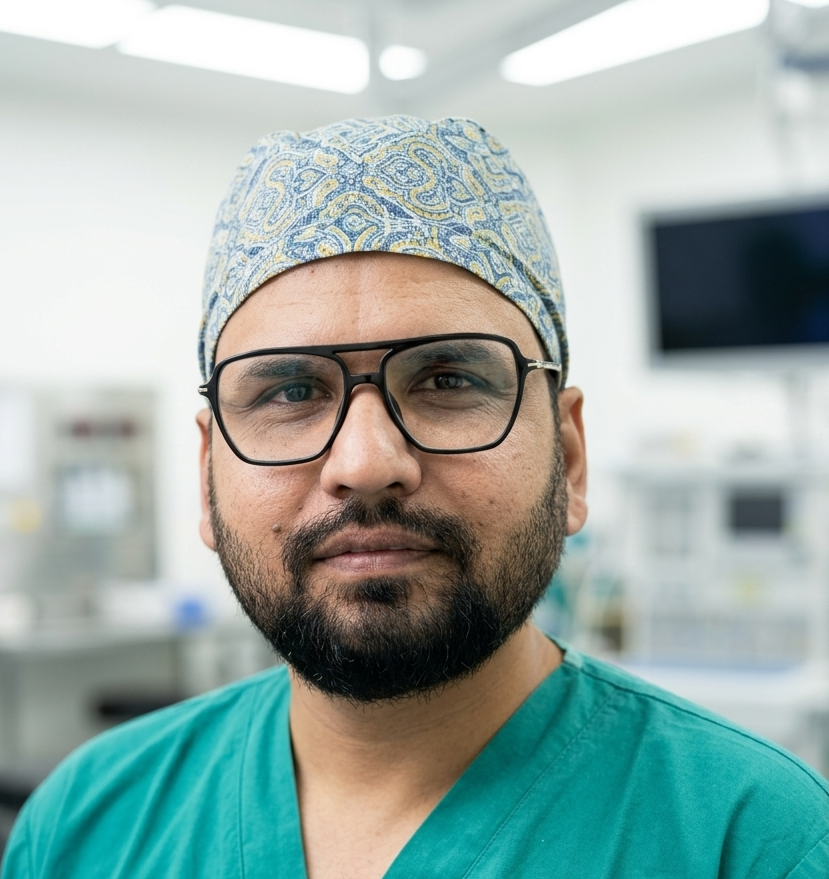
Medically Reviewed by Dr. Muhammad Asad
MBBS · FCPS · CPHQ (USA) · MACHE (USA) — Colorectal & Laparoscopic Surgeon, Associate Professor, 14+ years of surgical experience. About Dr. Asad →
This article is for general patient education and does not replace a professional medical evaluation. If you are experiencing severe or persistent symptoms after surgery, please consult Dr. Asad or another qualified physician for guidance specific to your situation.