
A hernia doesn't heal itself, and the type you have shapes both what to expect and how it's best treated. Here is a clear look at the two most common types.
What Is a Hernia?
A hernia occurs when an internal organ or tissue — usually part of the intestine — pushes through a weak spot in the surrounding muscle or connective tissue. This creates a visible or palpable bulge, most often in the abdominal wall. Hernias are classified by their location, and the two most common types seen in general surgical practice are inguinal and umbilical.
Inguinal Hernia
Inguinal hernias occur in the groin, where the inner thigh meets the abdomen. They are the most common type of hernia overall and occur significantly more often in men than women, largely due to natural anatomical differences in the groin region.
Typical symptoms include a bulge in the groin that may become more noticeable when standing, coughing, or straining, along with a dull ache or a feeling of heaviness or weakness in the area. In some cases, the hernia can be pushed back in gently while lying down — but it will reappear with activity.
Umbilical Hernia
Umbilical hernias occur at or near the belly button, where the abdominal wall can remain slightly weaker after birth. While well known in infants — many of whom outgrow small umbilical hernias without treatment — they are also common in adults, often linked to obesity, pregnancy, repeated heavy lifting, or prior abdominal surgery.
In adults, an umbilical hernia typically does not resolve on its own and generally requires surgical repair once diagnosed, particularly if it is symptomatic or growing.
Other Types, Briefly
Ventral and incisional hernias — occurring elsewhere on the abdominal wall, sometimes at the site of a previous surgical incision — follow similar principles for diagnosis and repair, and are also treated at our clinic as part of general laparoscopic surgery.
Why Hernias Don't Heal on Their Own
Because a hernia is a structural gap in muscle or tissue, no amount of rest, exercise, or medication can close it — only surgical repair can. Left untreated, hernias typically enlarge gradually over time and carry a risk of becoming "incarcerated" or "strangulated," a painful emergency where the trapped tissue loses its blood supply. This is why most surgeons recommend planned repair rather than waiting for complications to develop.
Modern laparoscopic hernia repair uses small keyhole incisions and, in most cases, a supporting mesh to reinforce the weakened area — offering less postoperative pain, smaller scars, and a faster return to normal activity compared with traditional open surgery.
Dr. Asad's Approach
Every hernia is evaluated individually — size, location, symptoms, and the patient's overall health all shape the recommended timing and technique of repair. Laparoscopic repair is favored whenever appropriate for its faster recovery and minimal scarring.
Frequently Asked Questions
Can a hernia go away without surgery in adults?
No. Unlike some cases in infants, hernias in adults do not close on their own and require surgical repair for a lasting solution.
Is hernia surgery an emergency?
Not usually, if diagnosed early and repaired on a planned basis. It becomes an emergency only if the hernia becomes incarcerated or strangulated, which causes sudden, severe pain.
How long is recovery after laparoscopic hernia repair?
Most patients return to light activity within a few days and to normal routines, including work, within two to four weeks, depending on the type of hernia and repair performed.
Can I prevent a hernia from recurring?
Following post-surgical guidance on lifting and activity, maintaining a healthy weight, and avoiding chronic straining all help reduce the risk of recurrence.
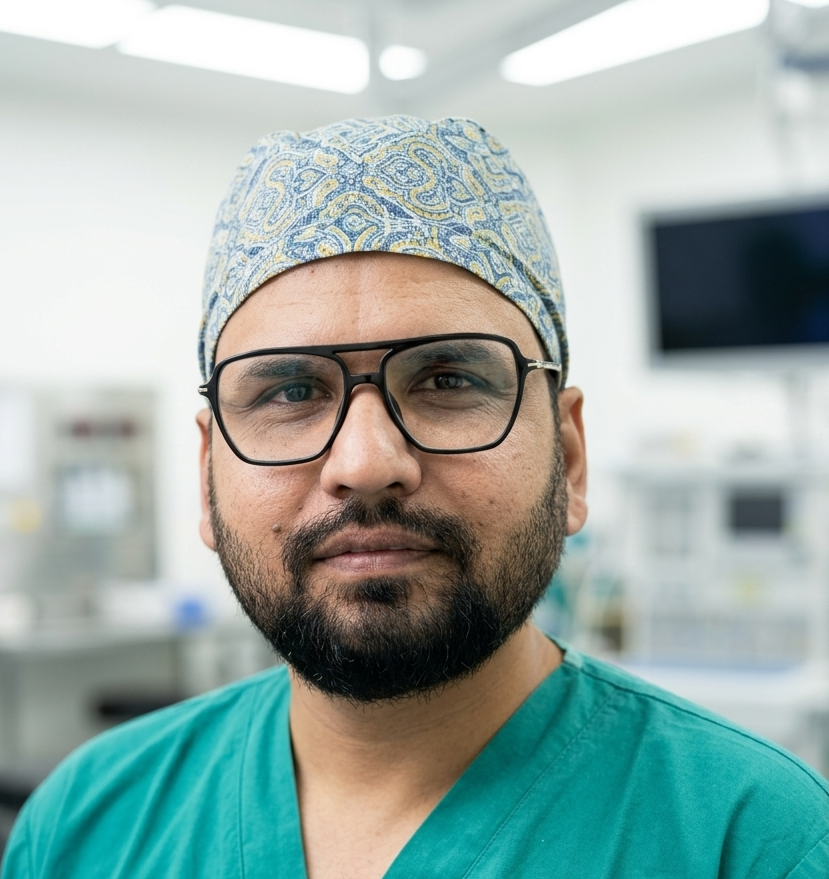
Medically Reviewed by Dr. Muhammad Asad
MBBS · FCPS · CPHQ (USA) · MACHE (USA) — Colorectal & Laparoscopic Surgeon, Associate Professor, 14+ years of surgical experience. About Dr. Asad →
This article is for general patient education and does not replace a professional medical evaluation. If you are experiencing these symptoms, please consult Dr. Asad or another qualified physician for a diagnosis specific to your situation.