
Patients worry most about the procedure itself, but the part that actually determines whether a colonoscopy succeeds is the prep beforehand. A colon that isn't fully cleared can hide small polyps or lesions, and an inadequate prep is the single most common reason a colonoscopy has to be repeated. The good news is that prep is entirely within your control — it just needs to be followed precisely rather than approximately.
Why Prep Matters More Than the Procedure Itself
During a colonoscopy, Dr. Asad is examining the lining of the colon for polyps, inflammation, or other abnormalities — and any residual stool obscures that view the same way fog obscures a windshield. A well-prepped colon lets even small, flat polyps be seen and removed during the same procedure. A poorly prepped one can hide exactly the kind of early lesion that screening colonoscopy exists to catch, which defeats the purpose of having the procedure at all. For what the procedure itself actually involves once prep is done, see our step-by-step colonoscopy guide.
3 to 5 Days Before: Start a Low-Fiber Diet
Begin cutting out high-fiber foods that leave residue in the colon: raw vegetables, whole grains, nuts, seeds, popcorn, and skins or seeds in fruit. Favor low-residue foods instead — white rice, white bread, well-cooked vegetables without skins, and lean, tender meats. This step isn't strictly mandatory everywhere, but it meaningfully reduces the work your bowel prep drink has to do on the harder day that follows, and most patients who skip it find the clear-liquid day and prep itself noticeably more unpleasant.
The Day Before: Clear Liquids Only
From the morning before your procedure, you'll switch to clear liquids only — water, clear broth, plain tea or black coffee (no milk or creamer), clear juices without pulp (apple, white grape), and clear sports drinks or gelatin in colors other than red, purple, or orange (which can be mistaken for blood during the procedure). No solid food at all for the rest of the day. This is the single most restrictive part of prep for most patients, but it's also short — one day — and directly determines how clean the colon will be the next morning.
The Bowel-Cleansing Prep: Timing and What to Expect
You'll be given a prescribed prep solution to drink, typically split into two doses — one the evening before and one the morning of the procedure (a "split-dose" regimen), which studies consistently show produces a cleaner result than drinking it all the night before. Expect frequent, watery bowel movements starting roughly 1 to 3 hours after the first dose; staying near a bathroom and using a barrier cream can help with any skin irritation from frequent wiping. The goal is clear or light yellow liquid stool by the time you're done — if it's still brown or has solid matter close to your procedure time, contact the clinic, since the prep may need to be extended.
Morning of the Procedure
Finish the second prep dose by the time your clinic specifies — usually 4 to 6 hours before your appointment, since drinking it too close to sedation increases aspiration risk. Take only the medications Dr. Asad's clinic has told you to continue, with a small sip of water, and nothing else by mouth. Arrange a ride home in advance, since you won't be able to drive after sedation.
Common Prep Mistakes That Lead to a Repeat Colonoscopy
- Drinking the whole prep dose the night before instead of splitting it — the colon re-accumulates residue overnight, leaving the morning portion to do all the real work alone.
- Eating "just a little" solid food on the clear-liquid day, assuming a small amount won't matter — it does.
- Stopping early because the prep is uncomfortable rather than finishing the full prescribed volume — an incomplete dose usually means an incomplete clean.
- Not confirming medication instructions in advance, especially for blood thinners, which can affect whether polyps can be safely removed during the same visit.
Dr. Asad's Approach
I'd rather spend five extra minutes going over prep instructions clearly than have a patient come back for a second attempt because the first prep wasn't adequate — it's one of the most avoidable reasons a procedure doesn't accomplish what it set out to. My advice to every patient is the same: follow the written instructions exactly as given, not as you remember them from a friend's experience, since prep regimens and timing do vary between clinics and solutions. If anything is unclear the day before, call rather than guess.
Frequently Asked Questions
How many days before a colonoscopy should I start the low-fiber diet?
Most clinics, including ours, recommend starting 3 to 5 days before the procedure. Starting earlier isn't necessary and starting later can leave too much residue in the colon for the clear-liquid day and bowel prep to fully clear.
Can I drink coffee during colonoscopy prep?
Plain black coffee or tea without milk or creamer is usually fine on the clear-liquid day, since it's a clear liquid you can see through, but anything with milk, cream, or non-dairy creamer is not allowed because it's no longer a clear liquid. Check your clinic's specific instructions, since some prefer you avoid caffeine entirely.
What happens if my prep isn't clean enough?
If residual stool obscures the view, the doctor may not be able to fully examine the colon, and the colonoscopy may need to be rescheduled and repeated with a stricter prep — which means redoing the fasting, the prep drink, and the procedure itself. Following the instructions precisely the first time avoids this entirely.
Can I take my regular medications before a colonoscopy?
Most medications can be taken as usual with a small sip of water, but blood thinners, certain diabetes medications, and iron supplements often need to be paused or adjusted beforehand. Always confirm your specific medications with Dr. Asad's clinic rather than assuming, since the right answer depends on the drug and your reason for taking it.
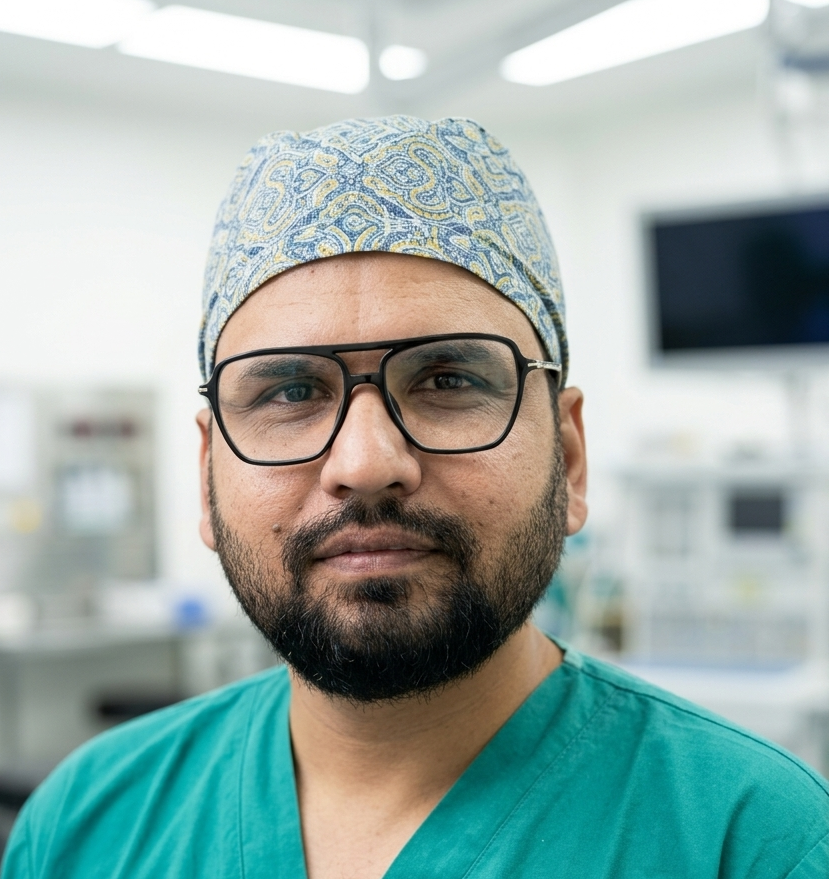
Medically Reviewed by Dr. Muhammad Asad
MBBS · FCPS · CPHQ (USA) · MACHE (USA) — Colorectal & Laparoscopic Surgeon, Associate Professor, 14+ years of surgical experience. About Dr. Asad →
This article is for general patient education and does not replace a professional medical evaluation. Always follow the specific prep instructions given by your own clinic, and contact Dr. Asad's clinic directly with any questions before your procedure.