
One of the biggest selling points of laparoscopic surgery is a faster, easier recovery — and that's true. But "faster" doesn't mean "instant," and patients are sometimes caught off guard by normal post-operative discomfort they weren't expecting, or conversely, push themselves back into full activity before healing is actually complete. This guide walks through what a typical laparoscopic recovery looks like from the first 24 hours through the six-week mark, so you know what's expected and what isn't.
What Makes Laparoscopic Recovery Different From Open Surgery
In laparoscopic surgery, the surgeon works through 3 to 4 small incisions, usually no more than 1 to 2 centimeters each, using a camera and long, thin instruments, instead of one large incision that cuts through major muscle layers. That difference is the entire reason recovery is faster: less tissue trauma means less pain, a lower risk of wound complications, a shorter hospital stay, and a quicker return to normal activity. It does not mean there's no healing involved — your abdominal wall and any internal structures that were operated on still need time to recover, even though it doesn't show much on the outside.
The First 24 Hours After Surgery
Most laparoscopic procedures allow same-day discharge or a single overnight stay, depending on the specific operation and how you're doing. In the first 24 hours, it's normal to feel groggy from anesthesia, have mild nausea, and notice bloating or gas pain — sometimes felt oddly in the shoulders or chest, which is from the carbon dioxide gas used to inflate the abdomen during surgery rather than anything wrong with your shoulders. You'll usually be encouraged to get up and walk a short distance within hours of surgery; this isn't optional comfort advice, it genuinely speeds recovery and helps clear the gas causing that shoulder discomfort.
The First Week: What's Normal and What's Not
During week one, expect incisional soreness that gradually eases day by day, some bruising around the incision sites, and fatigue that's more noticeable than you might expect from such small cuts — your body is still recovering from anesthesia and the physiological stress of surgery, not just the incisions themselves. What's not normal in week one:
- Fever over 101°F (38.3°C) — may indicate infection.
- Redness, warmth, or pus at an incision site — a sign of wound infection that needs prompt attention.
- Pain that's getting worse rather than better, or pain that's severe and not controlled by prescribed medication.
- Persistent vomiting or inability to keep fluids down beyond the first day.
- Significant swelling, redness, or pain in a calf — a possible sign of a blood clot.
Any of these warrant a call to your surgical team rather than waiting it out.
Weeks 2 to 4: Returning to Normal Activity
By the second week, most patients are off prescription pain medication or close to it, managing with over-the-counter options if needed, and incisional pain has usually faded to mild tenderness. This is typically when light daily activities — walking longer distances, light housework, desk work — become comfortable again. By weeks 3 and 4, most people feel largely back to themselves, though internal healing of any deeper tissue that was operated on isn't fully complete until closer to the six-week mark, which is why heavy lifting and strenuous exercise usually stay off-limits a bit longer than everything else.
Pain Management During Recovery
Pain after laparoscopic surgery is usually mild to moderate and manageable with simple measures: prescribed pain medication for the first few days, tapering to over-the-counter options like paracetamol, supportive measures like a pillow pressed against the abdomen when coughing or laughing, and simply allowing adequate rest. Shoulder-tip pain from residual gas typically resolves within 2 to 3 days and responds well to gentle walking and warmth. Pain is expected to trend steadily downward — a pain level that plateaus or worsens after the first few days is worth mentioning to your surgeon rather than just pushing through.
Diet and Activity: Do's and Don'ts
- Do start with light, easily digestible meals for the first day or two, then return to your normal diet as tolerated.
- Do stay well-hydrated and include fiber to avoid constipation, which straining can aggravate healing incisions.
- Do walk daily from day one — short, frequent walks genuinely aid recovery.
- Don't lift anything heavier than about 5 kg for the first 2 weeks, or as specifically advised for your procedure.
- Don't resume strenuous exercise, running, or core-intensive activity until cleared, usually around 4 to 6 weeks.
- Don't smoke — it measurably slows wound healing and increases complication risk.
Warning Signs That Need Immediate Attention
Most recoveries are uneventful, but certain symptoms should never be waited out: a fever above 101°F, increasing redness or discharge from an incision, severe or worsening abdominal pain, persistent vomiting, difficulty breathing, chest pain, or swelling and pain in a leg. These can signal infection, internal bleeding, or a blood clot — all are uncommon but all are the reason post-operative instructions include a direct contact number rather than just a follow-up date.
When You Can Return to Work, Driving, and Exercise
Timelines vary by procedure and by how physically demanding the activity is:
- Desk-based work: often within 1 to 2 weeks.
- Physically demanding work: usually 3 to 6 weeks, depending on the specific job and procedure.
- Driving: generally once you're off prescription pain medication and can comfortably perform an emergency stop, often around 1 to 2 weeks.
- Light exercise (walking, stationary cycling): encouraged from the first week.
- Strenuous exercise, running, and heavy lifting: typically 4 to 6 weeks, with specific clearance from your surgeon.
Our general laparoscopic surgery service page has more on the specific procedures we perform and their individual recovery considerations.
Dr. Asad's Approach
The recovery question I get most often isn't "will it hurt" — patients generally expect that part. It's "when can I go back to normal," and the honest answer is that it depends heavily on which "normal" you mean. Walking to the kitchen, yes, almost immediately. Walking the whole house comfortably, within days. Full strenuous activity, that takes the full six weeks even when you feel fine at week three. The complications I see most aren't from the surgery itself — they're from someone who felt good on day ten and went straight back to heavy lifting. Feeling good is a sign healing is going well, not a signal that it's finished.
Frequently Asked Questions
How long does it take to fully recover from laparoscopic surgery?
Most patients feel largely back to normal within 2 to 4 weeks, though internal healing continues for about 6 weeks. The exact timeline depends on the specific procedure, your age and baseline fitness, and how closely you follow activity guidance in the first two weeks.
Is laparoscopic recovery really faster than open surgery?
Yes, meaningfully so. Because laparoscopic surgery uses a few small incisions instead of one large one, there's less tissue trauma, less pain, a shorter hospital stay, and a faster return to normal activity — typically weeks instead of the months open surgery can require.
When can I shower or bathe after laparoscopic surgery?
Most patients can shower within 24 to 48 hours once incisions are checked, keeping the areas clean and gently patted dry rather than scrubbed. Soaking in a bathtub or swimming pool is usually held off until the incisions are fully closed, generally around 1 to 2 weeks — your surgeon will confirm the exact timing for your incisions.
What's a normal amount of pain after laparoscopic surgery?
Mild to moderate incisional pain and shoulder-tip discomfort from the gas used during surgery are both normal in the first few days and respond well to simple pain medication. Pain that's severe, one-sided, or getting worse rather than better — especially with fever or spreading redness — is not typical and should be checked promptly.
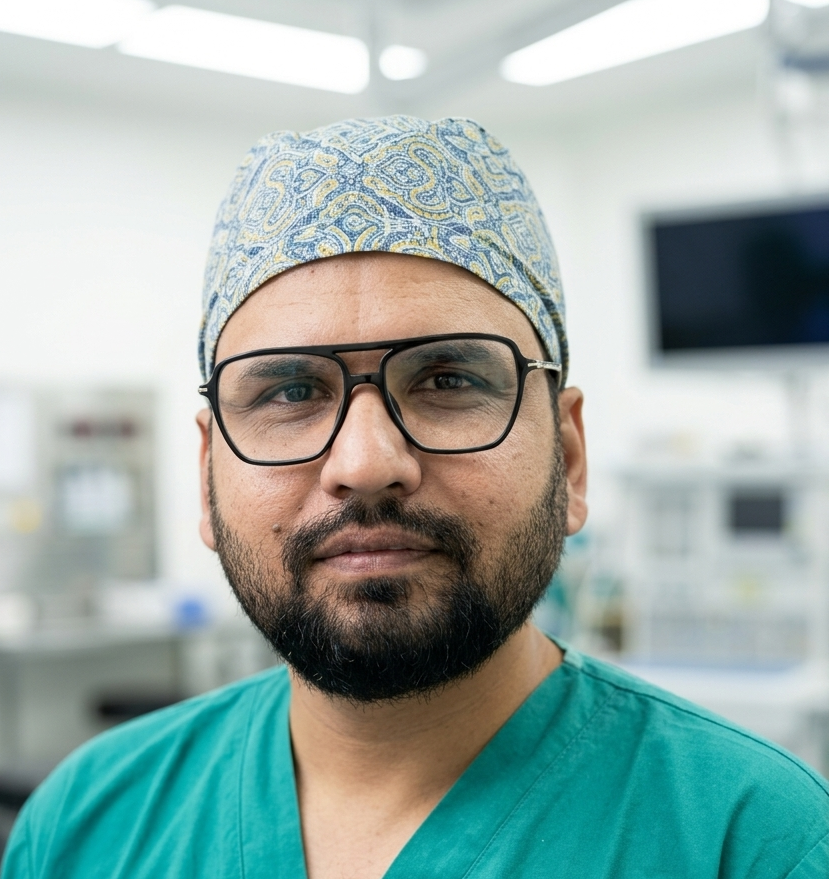
Medically Reviewed by Dr. Muhammad Asad
MBBS · FCPS · CPHQ (USA) · MACHE (USA) — Colorectal & Laparoscopic Surgeon, Associate Professor, 14+ years of surgical experience. About Dr. Asad →
This article is for general patient education and does not replace a professional medical evaluation. Recovery varies by procedure and by patient — always follow the specific post-operative instructions given by your own surgical team.